UV cameras
- Solar blind UV cameras sensitive in UV-B band
- Multi-sensor broadband imaging systems sensitive from shortwave UV-B band to SWIR
Solar blind UV cameras are imaging devices optimized to detect ultraviolet light of wavelengths below about 280nm. Such cameras are insensitive against sunlight due to negligible sensitivity to visible and long wavelength UV light. Solar blind UV cameras are used in a series of applications like corona detection, fire detection, combustion analysis, plasma research, testing UV lamps, etc. However, highly sensitive corona detection is the main mass application and these devices are of crucial importance in electric power industry. These imaging devices enable easy detection of degraded insulators of high voltage transmission lines, distributions and substations. They can see the emission of UV light when discharges occur at defect insulators. From design point of view solar blind UV cameras are actually bispectral imaging systems built by combining true UV camera with typical visible camera. These bispectral imaging system generate output image as overlay of typical visible image with UV image of analyzed UV source.

Three systems for testing SBUV cameras are offered:
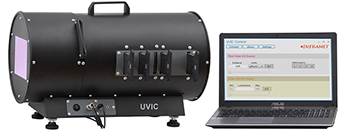 Fig. 1. UVIC test station for basic tests of SBUV
cameras
Fig. 1. UVIC test station for basic tests of SBUV
cameras
|
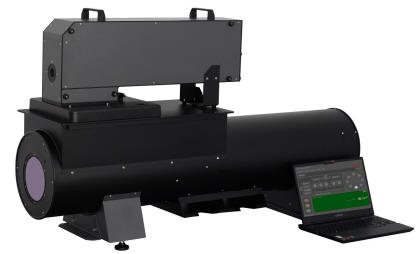 Fig. 2. UMET test system for expanded testing of SBUV
cameras
Fig. 2. UMET test system for expanded testing of SBUV
cameras
|
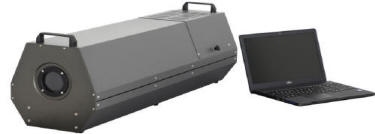 Fig. 3. USOL station for measurement solar sensitivity of SBUV
cameras
Fig. 3. USOL station for measurement solar sensitivity of SBUV
cameras
|
UVIR test system is in general a variable target image projector that uses a series of different targets to project their images into the direction of the tested camera: UV camera, VIS camera, NIR camera, SWIR camera. The tested camera generates copies of the projected images. Quality of the images generated by the camera is evaluated by human observers or by software and its important characteristics of tested camera are measured. The UVIR test system in its basic version (UVIR-A) is a system optimized to enable measurement of imaging parameters of tested system (resolution, MRC, MTF). However, UVIR can be also delivered in a more advanced version (UVIR-B) capable to measure both imaging (resolution, MRC, MTF) and radiometric parameters (sensitivity, noise parameters, response function).
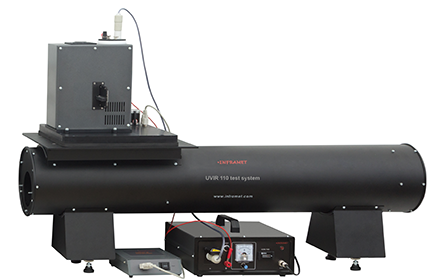
Photo of UVIR test station
Learn more:
- Data sheets: UVIC, UMET, USOL, UVIR
- Recommendations on environmental conditions for Inframet test systems
- Educational section
- Info section
- Newsletter
- Contact INFRAMET
In case of questions please contact us: info@inframet.com